A staff of experts at the Yale Adolescent PCOS Program are diagnosing and treating the disorder early, keeping patients healthy.

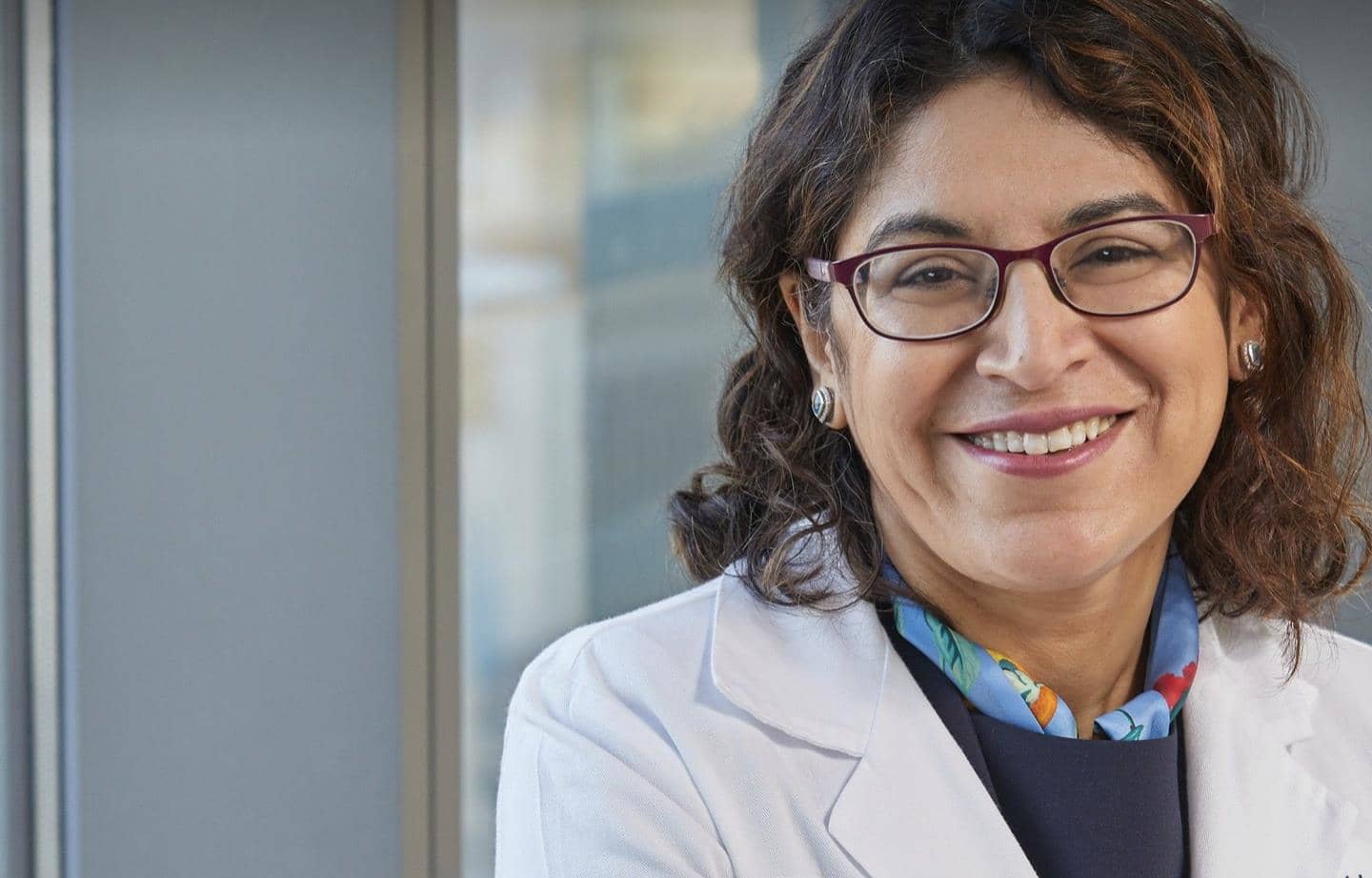
Tania Burgert, MD, examines a new patient in the adolescent clinic.
(June 2010) When you’re 17, the last thing you want is a diagnosis like polycystic ovary syndrome (PCOS). Julie Rogers was busy swimming on her high school team and, to make money for her choir’s trip to Italy, scanning groceries in a supermarket. She wanted to feel good about herself, but acne, facial hair and extra weight—all PCOS symptoms—left her self-conscious.
“I was frustrated,” says Rogers, who asked that her real name not be used. “My friends didn’t have any of this stuff.”
She finally made an appointment at the Yale Adolescent PCOS Program, which takes a multidisciplinary approach to managing the most common hormonal disorder in women of childbearing age—a condition that puts them at greater risk for high cholesterol, diabetes, high blood pressure, stroke, endometrial hyperplasia and infertility as they age.
Getting PCOS diagnosed and treated turned out to be a relief, Rogers says. “They’ve had a lot of patients like me, and they knew exactly what they were talking about.”

Tania Burgert, MD, and Beth Rackow, MD, approach diagnosis and treatment as a team.
PCOS affects between one in 10 and one in 20 females in the United States. The disease is characterized by irregular or absent menstrual periods; high levels of androgens (male hormones); and enlarged ovaries and multiple small cysts on the ovaries. While it was once thought of as an adult problem, there is growing awareness that PCOS can also affect adolescent girls.
“Diagnosing PCOS in adolescents is challenging,” says pediatric endocrinologist Tania S. Burgert, MD, director of the Yale Adolescent PCOS Center. “There is significant overlap with common pubertal changes such as acne, rapid weight gain and irregular periods, making it sometimes difficult to tease PCOS symptoms and normal changes apart.” Making a proper diagnosis and developing a cohesive treatment plan is important, because PCOS that is not treated can cause “a self-perpetuating, vicious cycle of insulin resistance, higher androgens and weight gain,” she says.

Staff in the adolescent clinic meet to discuss cases.
Burgert and reproductive endocrinologist Beth W. Rackow, MD, approach PCOS as a team. “Dr. Burgert and I think about PCOS similarly, and we find that there are tremendous benefits in diagnosing these girls when they’re young," says Rackow. “This is a chronic condition that we can’t fix, but we know a tremendous amount about how to improve the quality of life for women of all ages who have PCOS.”
Rackow also works in the Yale Program for PCOS at the Reproductive Endocrinology practice, an adult program where some patients who start out in the adolescent program continue their care with her.
In the adolescent clinic, Drs. Burgert and Rackow, a nurse practitioner, a nutritionist and a radiologist with expertise in ultrasound evaluate new patients who may be as young as 11. The first visit includes:
Hormonal changes can lead to anxiety and depression in PCOS patients, and the adolescent program plans to add a psychologist in the future to screen and treat patients who need it.

Tania Burgert spends time with a mother and daughter in the exam room.
“We used to be more reluctant with the pediatric age group, but now realize that if you don’t treat PCOS, you open the door to other risks,” says Burgert. “In many cases we decide on the same treatments as prescribed for adult women.”
Burgert frequently prescribes metformin, which treats the underlying insulin resistance found in many PCOS patients. For some patients, Rackow adds birth control pills, which can ease heavy or painful periods and provide the added benefit of clearing up acne and reversing excess hair growth. In certain cases patients are given anti-androgen treatments such as spironolactone or finasteride.
A multidisciplinary evaluation helps with diagnosing diabetes or pre-diabetes. “We’ve seen many PCOS patients with glucose abnormalities who we probably wouldn’t have tested in a routine clinic visit, mainly because they weren’t very overweight and didn’t have any other risk factors,” Burgert says.
While there is a genetic predisposition to PCOS, Burgert and Rackow believe that extra weight, sedentary lifestyles and refined carbohydrates are contributing to a rise in pediatric cases. For that reason, patients participate in creating a symptom-management plan tailored to their age and overall development that may include diet and exercise, medications and a follow-up appointment. A nutritionist is on staff to provide dietary advice at the consultation and later by phone.
“Girls think starving themselves and skipping meals are effective ways to lose weight when these habits are really counterproductive,” Rackow says.”Our goal is to give them the building blocks to truly improve their nutrition and eating habits. Diet, exercise and weight loss really do make a big difference in PCOS.”
Story by Kathy Katella
Photographs by Robert Lisak
The symptoms of polycystic ovary syndrome (PCOS) vary among women. Some of the symptoms of include:
Doctor’s Building
2 Church Street South
Suite 511
New Haven, CT 06519
The building is handicapped accessible.
New patients are seen the first Monday of each month.
Phone: 203-764-9199
Fax: 203-737-2829